Can Marriage Improve Your Health? Yes. Experts reveal
many health benefits for spouses in this guest post
by Danielle Zickl courtesy of Washingtonpost.com/wellness
Saying “I do” may influence your cancer risk,
mental health and more.
Relationships — whether romantic, platonic or
familial — are powerful contributors to
well-being. Having close social ties and support
can improve health and resilience to stress and
maybe even increase longevity. However, some
research suggests that being married or being in a
partnership could come with specific health-related
benefits.
“Married people do tend to live longer and spend
more years healthy on average,” said Shannon
Markus, an emergency physician at Dell Seton
Medical Center at the University of Texas.
Part of that is probably because healthier people
are more likely to get and stay married, according
to Markus. But partnership itself can also help
through social support, reduced isolation,
healthier habits and someone telling you, “You
should probably get that checked out.”
That’s not to say you can’t be perfectly
healthy sans a partner. Or that staying in a bad
marriage is good for you.
“Long-term, stable marriages are associated with
lower mortality risk, but simply staying married
for decades does not automatically improve health
— especially if the relationship is chronically
stressful or emotionally disconnected,” Markus
said.
Here are a few ways relationship status may affect
health and wellness.
How being married might improve health
Heart disease
People who are married have a lower incidence of
cardiovascular disease, including heart attacks,
stroke and death from heart disease, compared with
those who are unmarried, including those who are
divorced or widowed, said Lauren J. Hassen, a
cardiologist at Ohio State University’s Wexner
Medical Center.
Again, this may be because being married is a proxy
for social support, “and we know that social
support may buffer health-related risks and
outcomes, including cardiovascular disease,” said
Kim Smolderen, a professor of medicine and
psychiatry and co-director of the Vascular Medicine
Outcomes program at the Yale School of Medicine.
Markus recalled that early in her career she
treated a man who had a major heart attack right
outside the emergency room door. “It turned out
he had been complaining of chest pain for hours,
and his wife had been urging him to go to the
hospital the entire time while he insisted he was
‘probably fine,’” she said. Remarkably, she
said, he survived. “Had he waited even a little
longer, the outcome likely would have been very
different. His wife’s persistence very likely
saved his life.”
Can Marriage Improve Your Mental Health?
A fulfilling marriage can also positively impact
mental health through companionship, emotional and
financial support, increased feelings of stability,
and building a life with someone you deeply love,
said Mitchell Hale, a therapist at Sawtelle
Psychotherapy Group in Los Angeles.
“These dynamics allow for the cultivation of joy,
intimacy, laughter and other positive emotions and
experiences in our daily lives,” he explained.
The ingredients that make relationships successful
— respect, honesty, effective communication and
emotional regulation skills — are the same in
marriages and committed relationships, Hale said.
Men seem to benefit more from marriage when it
comes to their health than women, according to
Markus. This may be because risky behaviors in men
tend to decrease when they get married, and wives
often take on more of the health monitoring and
emotional labor in heterosexual relationships than
they receive, she said.
It’s also worth noting that most of the research
that’s been done on marriage and health takes
only opposite-sex relationships into account,
Smolderen said. More research is needed to find out
whether these benefits also occur in same-sex
relationships, she added.
Can Marriage Improve Your Health Re Cancer Risk?
According to a 2026 study, being married is linked
to a lower risk of cancer. Researchers analyzed
eight years of data across 12 states, totaling
103.7 million people, to examine the connection
between cancer risk and marital status. Men and
women who were never married had a higher incidence
of cancer than those who had been married at some
point.
While marriage itself doesn’t directly prevent
cancer, it appears to have an effect on social,
behavioral, reproductive and health care-related
factors, according to study author Paulo S.
Pinheiro, a professor of cancer epidemiology at the
Sylvester Comprehensive Cancer Center at the
University of Miami.
“One way to think about it is that marriage may
provide an informal ‘health manager’ — a
partner who can help moderate behaviors such as
smoking or alcohol use, encourage healthier habits
and prompt engagement with preventive care and
screening,” he said.
Cancers such as cervical, anal and oral showed some
of the largest differences by marital status,
Pinheiro said. This may be because married couples
tend to prioritize preventive care, including
routine screening (like Pap tests), and are more
likely to follow up on abnormal findings.
Being married also probably means you have fewer
sexual partners. Pinheiro said that reduces your
exposure to human papillomavirus (HPV), an
infection that can cause these cancers.
Not every marriage is good for your health
While a supportive partnership can act as a
biological safety net, a high-conflict one may have
the opposite effect.
Indeed, there’s evidence that the quality of the
marriage is key, Smolderen said, with high levels
of emotional support being associated with better
levels of cardiovascular risk markers, such as
inflammation, heart rate variability, blood
pressure and heart rate.
On the other hand, marital stress is known to
increase the risk of cardiovascular disease,
particularly in women, Hassen said.
“Dissatisfaction and poor marriage quality have
been shown to increase the risk of high blood
pressure, heart attacks and even cardiovascular
mortality,” she added.
Unhealthy relationship dynamics can also take a
mental toll. Compared with healthy marriages,
“high-conflict or chronically stressful marriages
are linked to poorer sleep and higher rates of
anxiety and depression,” Markus said.
Relationships with domestic abuse carry a higher
risk of physical and mental harm and lingering
trauma symptoms, and marriage can potentially
increase barriers to leave unsatisfying or even
dangerous relationships, Hale added.
Being unpartnered could also have some health
benefits. Research suggests that those who are
single have more time to dedicate to exercise and
sports, which can have a positive effect on their
health. Having a good social support system, even
outside the romantic context, is also protective in
terms of heart health, Smolderen said.
Additionally, there’s a connection between
happiness and longevity — so being single and
happy might even translate to living longer.
For both married and unmarried people, strong
friendships, close family relationships, community
involvement and emotionally supportive social
networks are all associated with lower mortality,
better mental health, improved immune health and
greater resilience during stress, according to
Markus.
So while yes, tying the knot is associated with
certain health perks, being happy with your
situation and filling your life with supportive
relationships is paramount for good health and
happiness, no matter your relationship status.
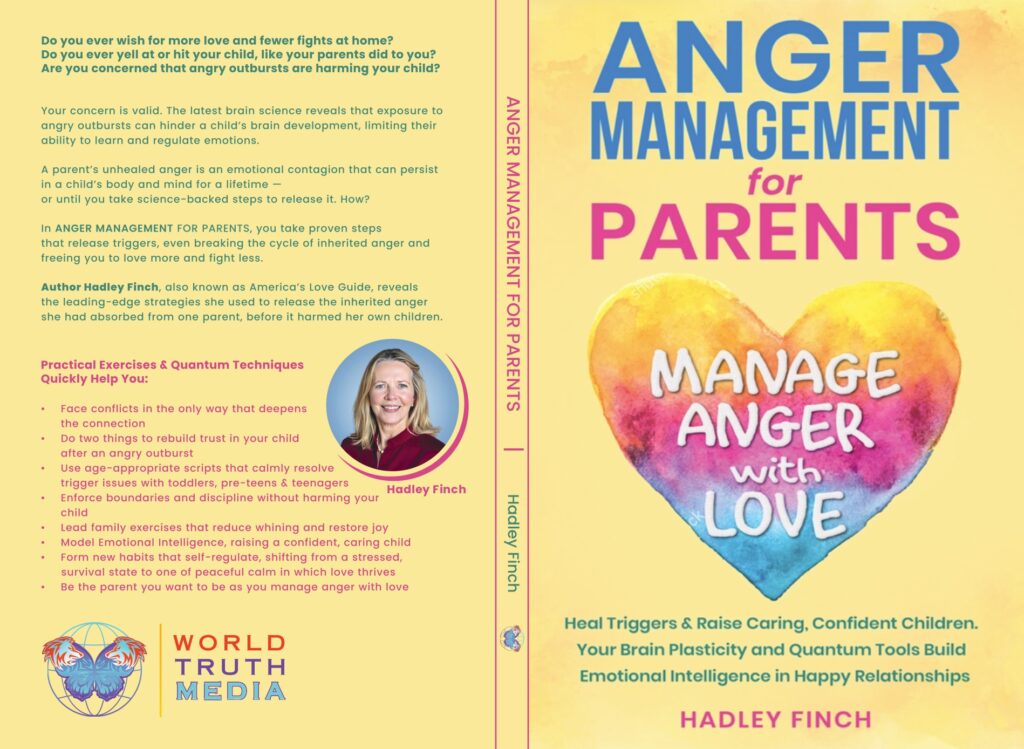
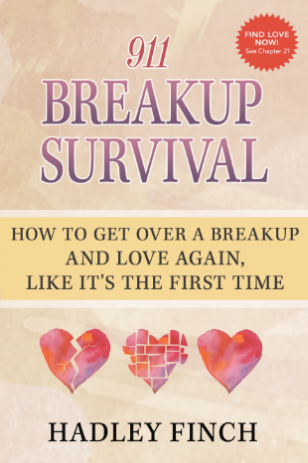
And discover how to manage anger with love
in happy relationships as you explore